
Journal · STORY · 6 MIN
The Ceylon Sapphire That Captured the World: Princess Diana's Ring
The most famous engagement ring on Earth holds a 12-carat sapphire from Sri Lanka. This is its story, and what it means for anyone who loves Ceylon gems.
By the Canix Gems team, Colombo · 28 Nov 2026
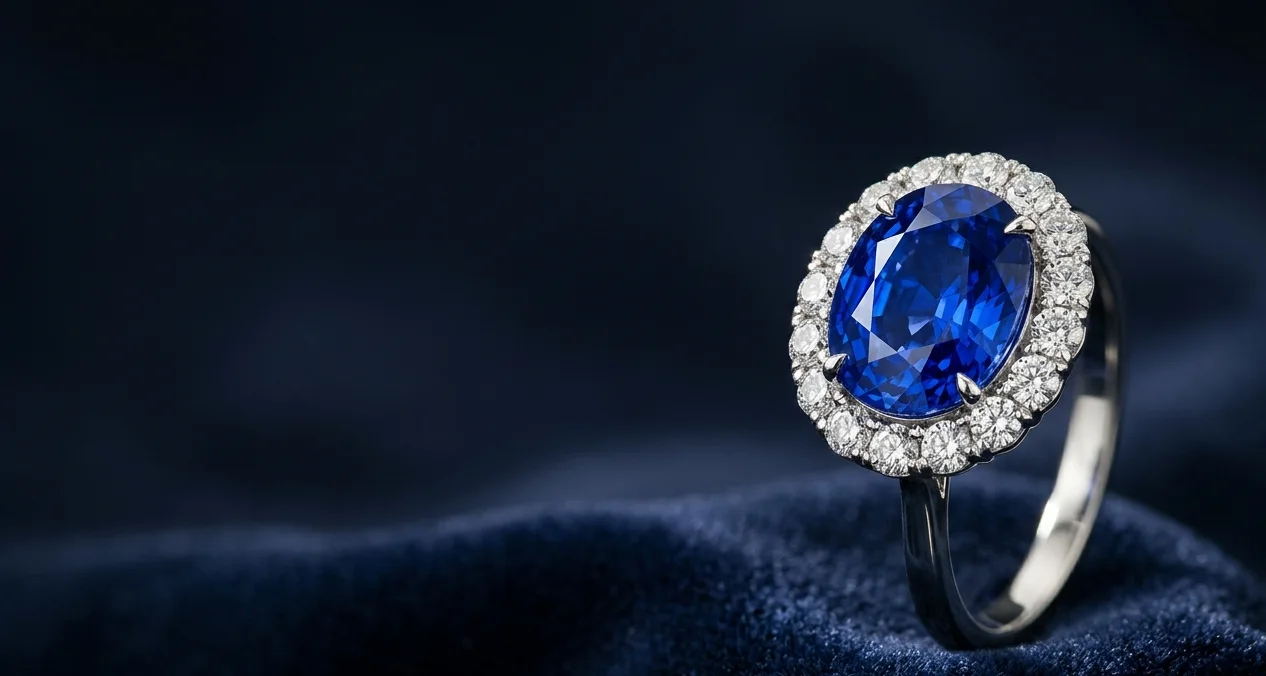
In February 1981 the whole world saw the same small blue stone. When a young Lady Diana Spencer stood beside the Prince of Wales to announce their engagement, cameras moved to her left hand, and to a deep blue oval sapphire framed by diamonds. That sapphire came from Sri Lanka, the island the gem trade still calls Ceylon.
More than forty years later it is still the most famous engagement ring on Earth. Here is its story, and what it tells anyone about the gems of Sri Lanka.
The ring she chose herself
The engagement was announced on 24 February 1981, and the wedding followed on 29 July 1981. Royal brides were usually given a ring made especially for them. Diana did something different: she was shown a small selection from Garrard, the Crown Jewellers, and picked the one she loved.
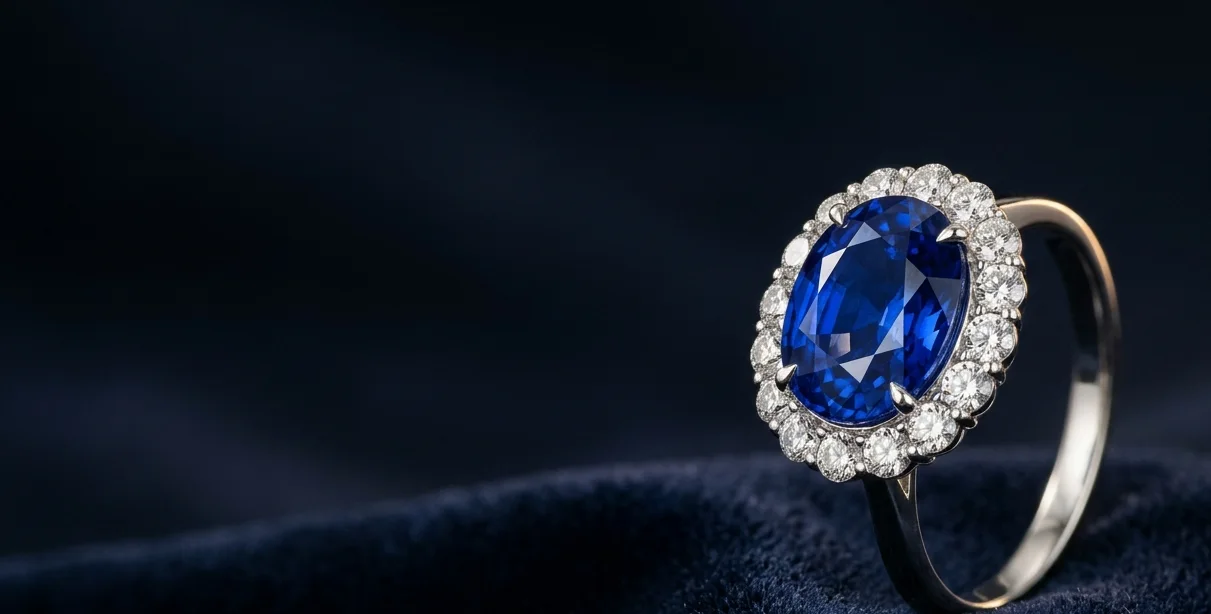
Her choice was a 12-carat oval Ceylon sapphire surrounded by 14 round diamonds, set in 18-carat white gold. It was not a one-of-a-kind commission. A ring of this design could be ordered by anyone who could afford it, which is why it was sometimes called "the commoner's sapphire". Reports from the time put its price at roughly £28,000 to £47,000.
The style had royal roots of its own. More than a century earlier, Prince Albert gave Queen Victoria a sapphire and diamond brooch, also from Garrard, on the eve of their wedding. A blue Ceylon sapphire ringed with diamonds was already part of royal history.
Why a Ceylon sapphire?
"Ceylon" is the old name of Sri Lanka. The country changed its name in 1972, but jewellers kept the word, much as people still say Ceylon tea. On a laboratory report, "Origin: Ceylon" means the stone was formed in Sri Lanka's ancient rocks and found in its gem gravels.
Ceylon sapphires are known for a bright, lively blue. Many are a little lighter than sapphires from some other countries, so they keep their sparkle in daylight and candlelight alike. The finest, like Diana's, show a rich royal blue that still glows from across a room.
One ring, two princesses
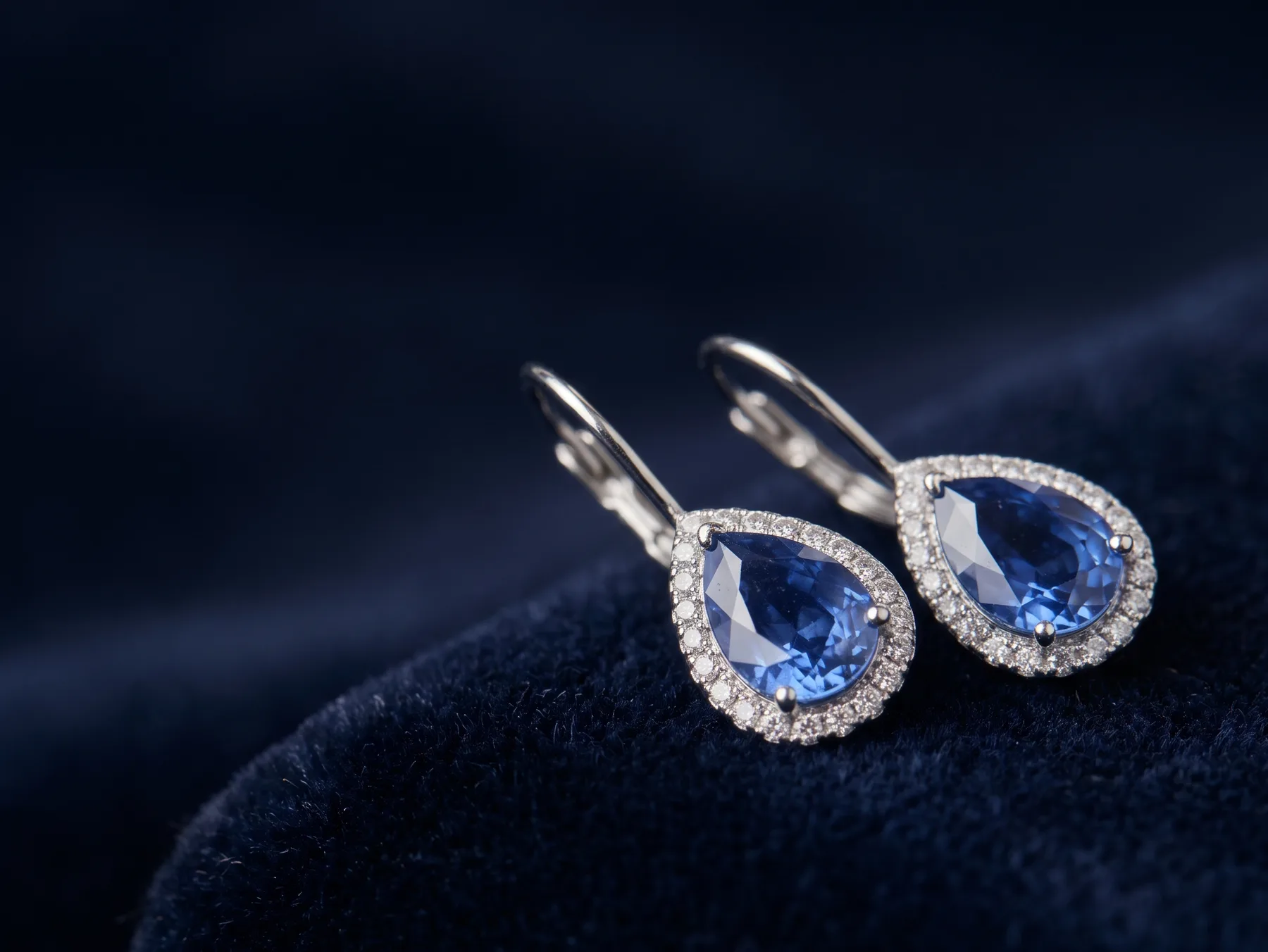
After Diana's death in 1997, her sons inherited her jewellery. In 2010 Prince William proposed to Catherine Middleton in Kenya, and he did it with his mother's ring. When the engagement was announced in November 2010, the same Ceylon sapphire was back on the world's front pages.
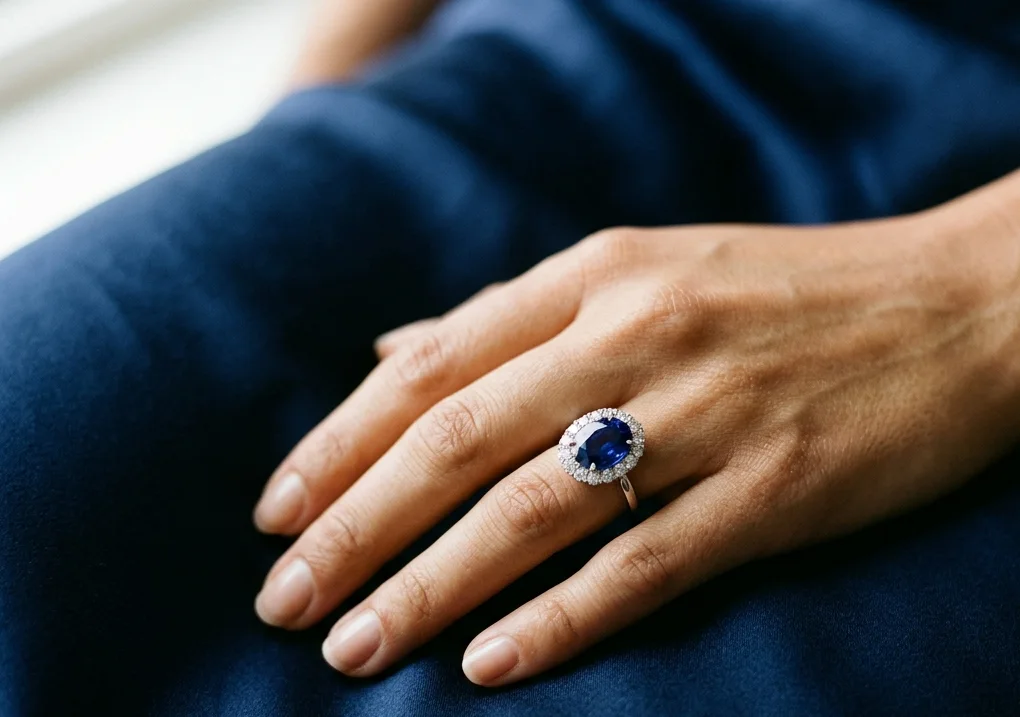
The Gemological Institute of America (GIA), the best-known gem laboratory in the world, lists this 12-carat sapphire among the important stones that came from Sri Lanka. It sits in the same story as giants such as the 466-carat Blue Giant of the Orient and the 850-carat Pride of Sri Lanka, found in Ratnapura in 1998.
The "Diana effect" on Sri Lanka's gems
Twice, the ring changed what people wanted to buy.
- 1981: demand for blue sapphire engagement rings rose sharply in Britain, the United States and across Europe. Many brides who might have chosen a diamond chose a sapphire instead.
- 2010–2011: when the ring reappeared on Catherine's hand, a new generation fell for it. Sri Lankan newspapers reported that international buyers were lining up for Ceylon blue sapphires, and that the country's sapphire sales took an immediate jump. Jewellers abroad spoke of record demand for sapphire engagement rings.
By some estimates, the ring valued at around USD 60,000 in 1981 is worth around USD 600,000 today. The real value is not the money. It is that one stone made millions of people ask: where do the best sapphires come from?
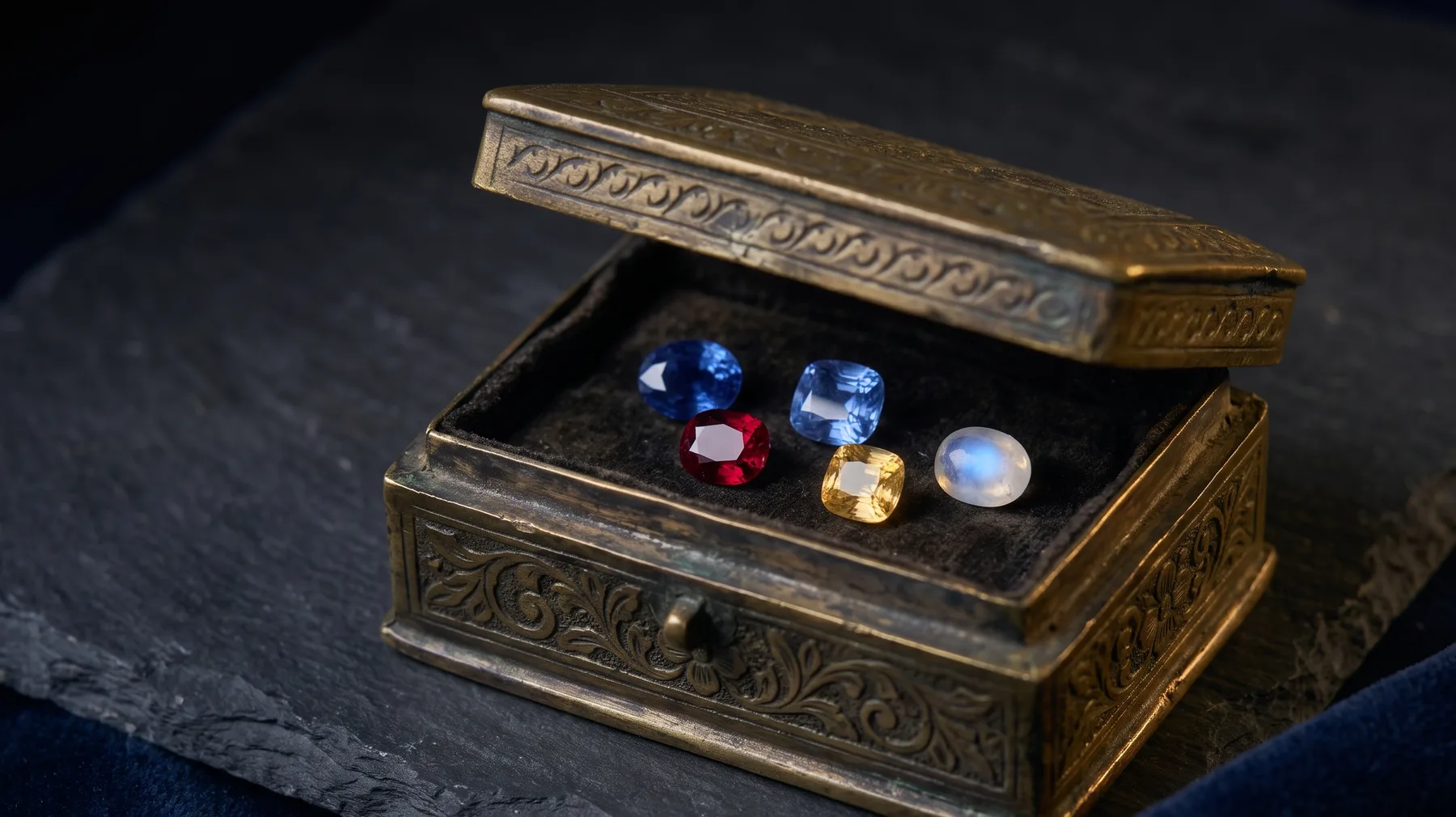
What this means if you want a sapphire like hers
You do not need a royal budget to own a Ceylon sapphire with the same character. What matters is knowing what you are buying.
1. Ask for the origin. A report from an independent laboratory can state "Ceylon" or "Sri Lanka" as the origin. That word is what Diana's ring made famous.
2. Look at the colour first. A vivid, even blue with no grey or green tint is the ideal. Very dark stones can look almost black at night; Ceylon blue stays bright.
3. Know the treatment. Many sapphires are gently heated to improve colour, a stable and accepted practice. Unheated stones of fine colour are rarer and cost more. Either way, it must be disclosed.
4. Think about size. A 12-carat sapphire is exceptional. Stones of 1 to 3 carats give the same look on the hand at a far kinder price, and the halo of small diamonds makes the centre stone look larger.
5. See it move. A 360° video under neutral light shows the colour honestly, better than any single photograph.
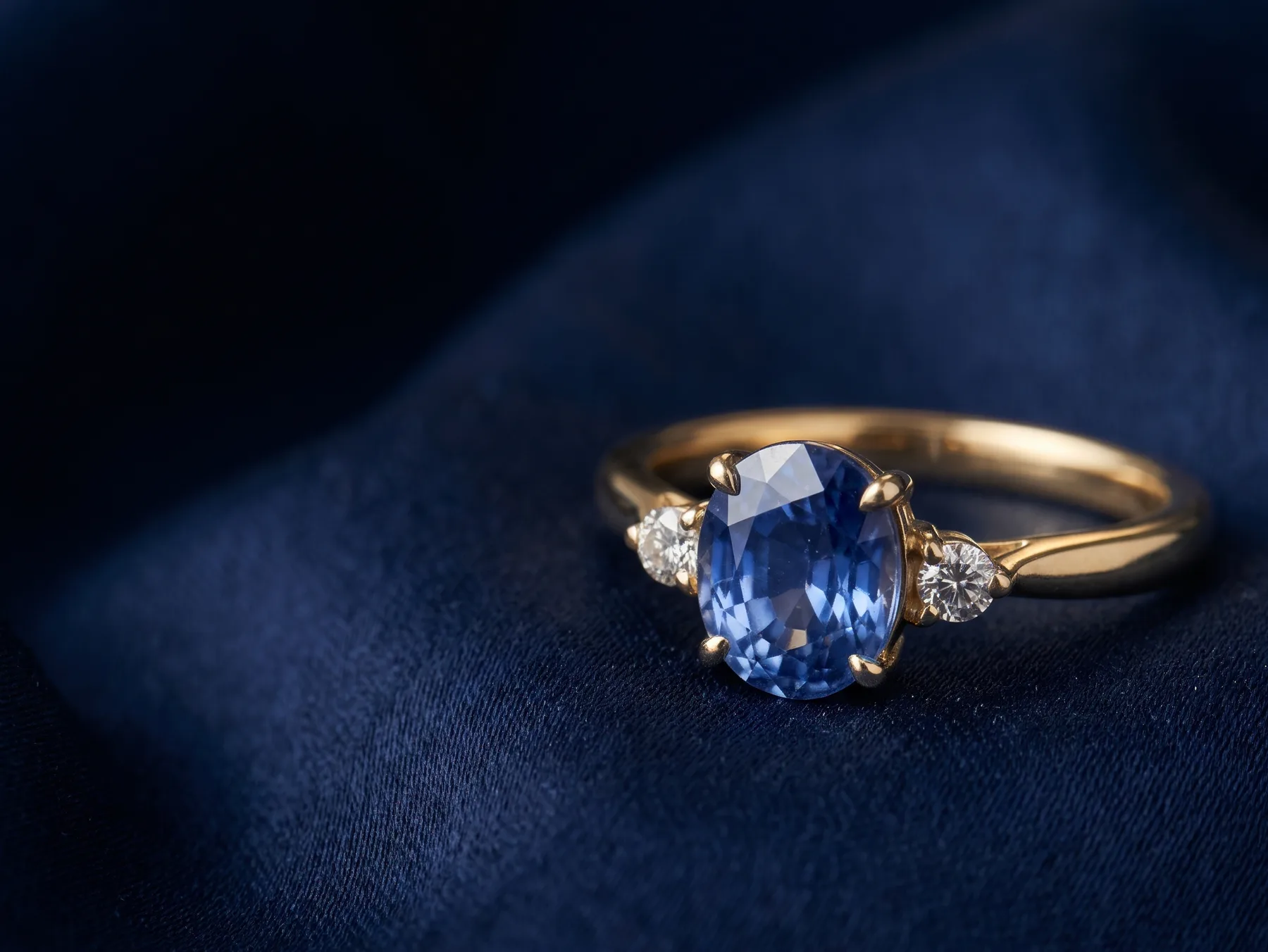
From the island to your hand
Diana's sapphire began, like every Ceylon gem, in the gravels of Sri Lanka, washed by hand from small pits among the paddy fields, then cut, traded and carried across the world. That journey has not changed in two thousand years.
At Canix Gems, every stone comes with an independent laboratory report, full treatment disclosure and a 360° video, and ships insured from Sri Lanka. If you dream of a sapphire ring in the royal style, choose your stone and we will make it into the piece you have in mind.
A legend of royal romance, born on the Island of Gems.
From the soil of Ratna-Dweepa to your hand.
Every stone documented, every origin true.
Explore the collection